Espresso Shot Running Too Fast or Too Slow
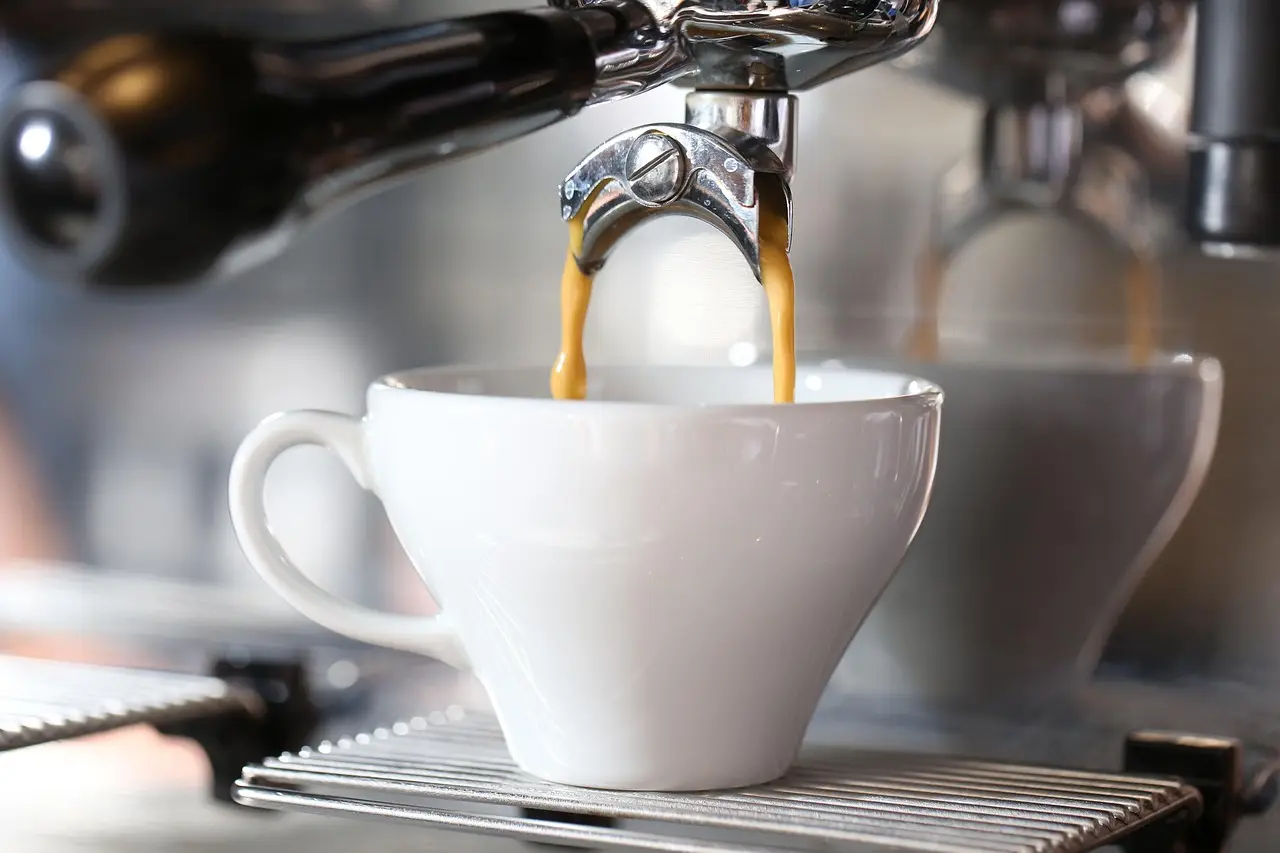
Flow speed is the quickest clue you've got. A gusher and a crawler are both telling you the grind or the dose is off.
Breville says shots flowing too fast or too slow are likely due to the wrong grind size.1
What's "too fast" or "too slow"?
Use the clock, starting when you start the pump. The guide's target is 25 to 30 seconds.2
That's a target, not a wall. A great tasting shot can take anywhere from 20 to 40 seconds, according to the same guide.2 So if a shot lands just outside the target and tastes good, leave it alone. Don't fix what isn't broken.
Why grind controls the flow
Think of gravel versus sand. Breville puts it as finer grinds saturating quickly and coarser grinds saturating slowly.3
If the shot runs too fast
This is the gusher. Breville's advice is to use a finer grind setting.1
A fast shot can leave a sour, thin-bodied cup. For that, Breville suggests a finer grind or upping the dose by a gram or two.2 The page on sour shots covers the taste side.
If the shot runs too slow
This is the barely-drips shot. Breville says it may be that the grind is too fine or the dose is too high.1
The fix is to grind coarser or cut the dose slightly. A slow shot can end up over-extracted.2 The taste side is on the bitter shots page.
| What you see | Likely cause | First change |
|---|---|---|
| Gushes through quickly | Grind too coarse | Go finer1 |
| Drips slowly | Grind too fine or dose too high | Go coarser, or cut the dose a little2 |
Two things that can confuse the picture
Roast. Breville ties roast to grind: darker beans call for a finer setting. A new bag can change your flow even if nothing else did.2
Weak flow from the machine. If hardly any water comes through, it can also be a machine issue. Breville points to checking that the reservoir is filled and properly seated on its dock, and says descaling may help with weakened flow.1 Follow the descaler's label and your manual, and don't mix cleaning products.
Change the grind one step at a time
A big jump flips a gusher into a crawler, and then you're chasing your tail. Keep a note of the grind setting before each move, so you can always go back. Move the grind by one small step, pull a shot, and read the time again. This is how a tidy dial-in session goes in practice: small moves, a clear note after each shot, and no guessing at what changed.
If the flow is patchy rather than simply fast or slow, see channeling explained.
Sources used
Keep troubleshooting
 Dialing In Espresso One Change at a TimeWhere to start when your espresso tastes off, which setting to change first, and why changing only one thing per shot gets you there faster.
 Why Your Espresso Tastes SourA sour, sharp shot usually means the water didn't pull enough from the coffee. Here's how to read it and which setting to change first.
 Why Your Espresso Tastes BitterA harsh, dry or burnt-tasting shot usually points to over-extraction. Learn what causes it and the order to try fixes in, one change at a time.