Why Your Espresso Tastes Bitter
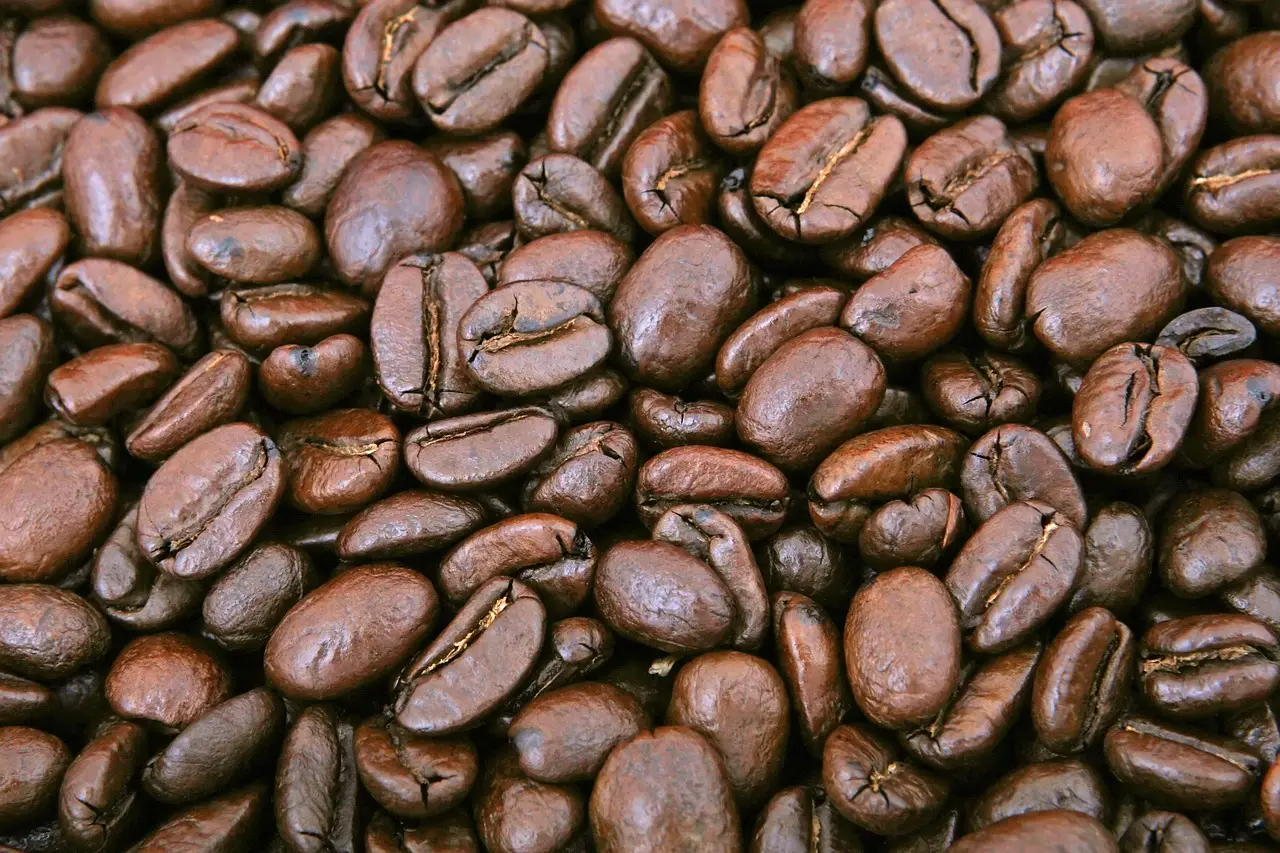
Bitter usually means the water stayed with the coffee too long and pulled out too much. The usual cure is to let it flow a little faster.
Breville calls over-extraction the most common culprit behind bitter coffee. Start there when you're troubleshooting.1
What the shot is telling you
Late in an extraction, the complex-tasting compounds come out. A little of that adds depth. Too much, and Breville says those notes overpower the others and leave an unpleasant, acrid flavor.2
Bitterness often gets mixed up with sourness or acidity, but they're not the same. Breville describes bitterness as a dry or burned flavor at the back of the tongue that lingers after each sip.1
If your shot is sharp and thin instead, you want the sour page.
Fix it in this order
- Grind coarser. Coffee ground too finely can lead to a bitter flavor, Breville notes. A coarser grind could be a simple fix.1 A coarse grind extracts more slowly than a fine one.2
- Trim the dose. For a slow, over-extracted shot, Breville says you may need to grind coarser or cut your dose slightly.3
- Look at water temperature. Hotter water tends to extract more of the bitter compounds.1 If your machine has a temperature setting, check your manual before changing it.
- Look at the water itself. Breville says bicarbonate in hard water can bring out bitter notes even in properly brewed coffee.1
- Look at the roast. Dark coffee that leans into over-roasted territory may taste more bitter than a light roast.1
Make one change, then pull another shot. Changing a single variable per round is how you'll know what worked.3
Don't go too far
Coarsening the grind is the move, but a big jump can send you the other way. Breville warns that you don't want to trade bitterness for a weak or sour brew.1
That's why you move one small step per shot. If the cup swings from harsh to thin, you've gone past the middle. Come back half a step.
When it isn't the grind
If you've adjusted the grind and the dose and it's still harsh, check the shots for patchy flow. Breville says channeling can lead to uneven extraction and inconsistent taste.4 It has its own causes and fixes. See channeling explained.
Roast and water are the next things to rule out, as covered in the list above.
For the full routine of tasting, adjusting and logging, read the step-by-step method. To see how time and weight tie into all this, there's a page on the numbers behind a shot too.
A bitter shot is a clue, not a failure. Write down what you changed and what the cup did. Then repeat. Soon the pattern in your own notes will tell you more than any chart can.
Sources used
Keep troubleshooting
 Dialing In Espresso One Change at a TimeWhere to start when your espresso tastes off, which setting to change first, and why changing only one thing per shot gets you there faster.
 Why Your Espresso Tastes SourA sour, sharp shot usually means the water didn't pull enough from the coffee. Here's how to read it and which setting to change first.
 Espresso Channeling ExplainedWhat channeling is, how to spot it in the stream and the taste, and the puck-prep habits that help stop it.